Veganism is often presented as a personal lifestyle choice. But across Africa, the conversation is becoming much bigger than what individuals put on their plates.
It touches food security, agriculture, climate change, public health, livelihoods and the future of the continent’s food systems. As interest in plant-based living grows, Africa has an opportunity to shape this conversation on its own terms, drawing from traditional food cultures while embracing new ideas and technologies.
Beyond a Diet
Veganism is commonly associated with avoiding animal products, but its wider implications extend into how food is produced, consumed and distributed. For Africa, where millions of people depend directly or indirectly on agriculture, changing food systems can have significant social and economic consequences.
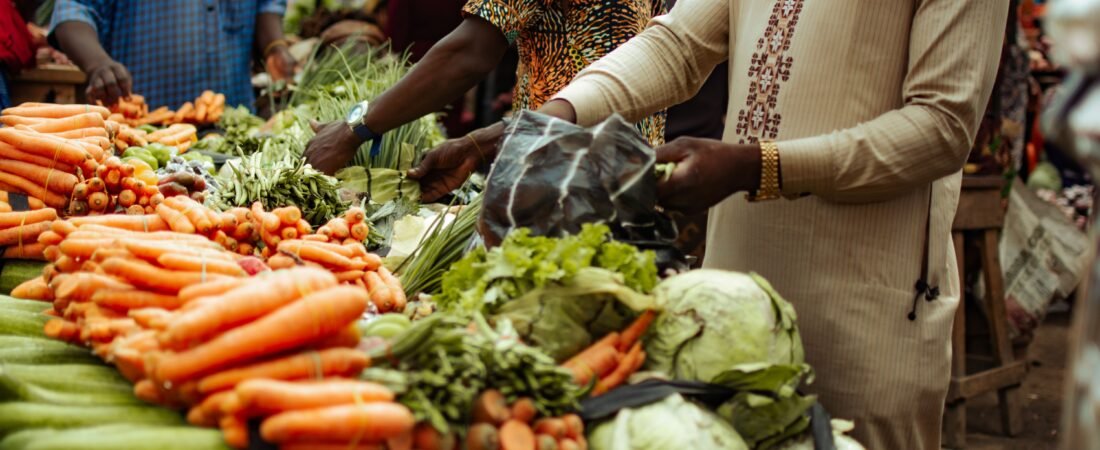
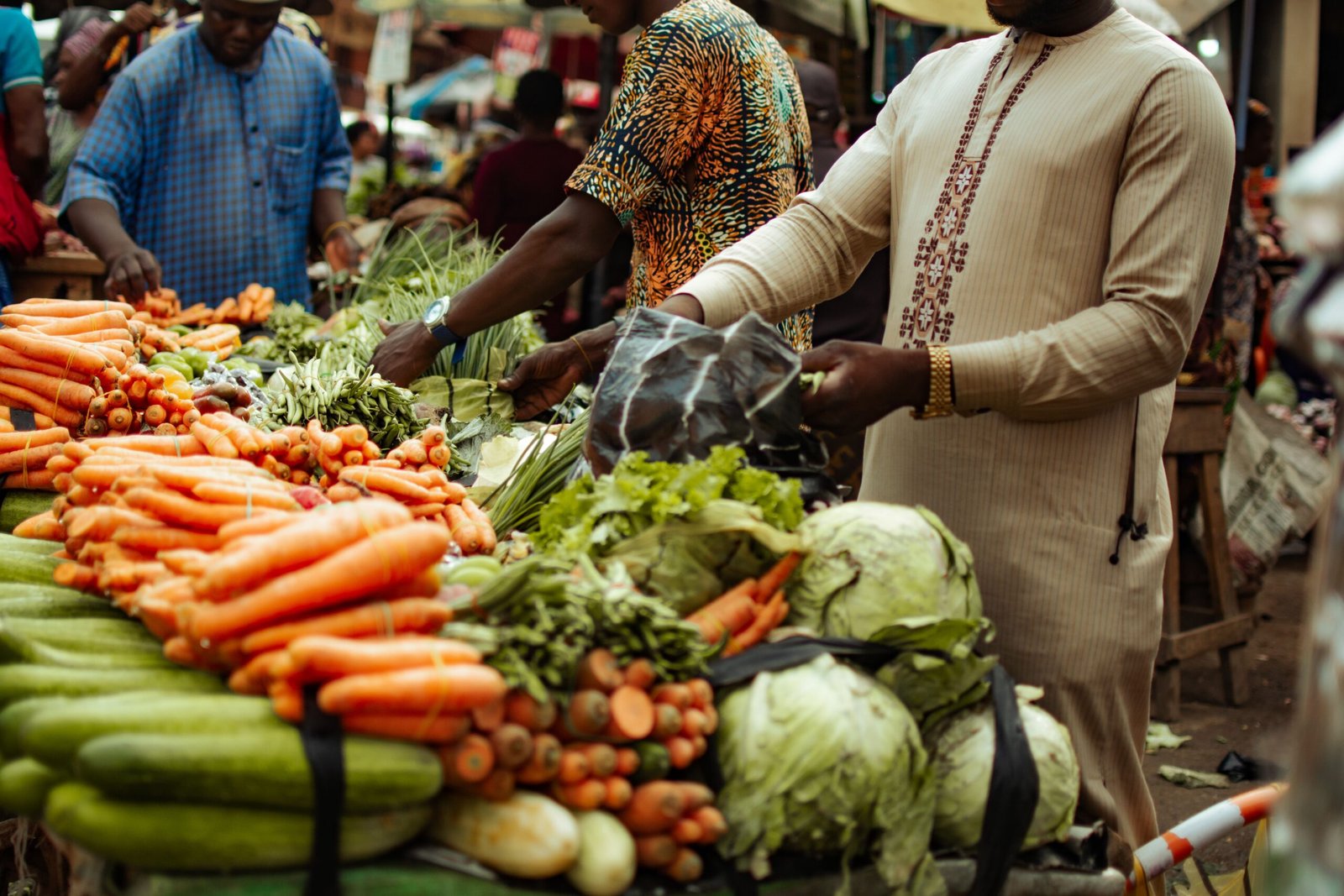
Plant-based foods, including grains, legumes, vegetables, fruits, nuts and roots, are already central to many African cuisines. The challenge is not necessarily introducing an entirely new way of eating, but recognising, strengthening and innovating around food traditions that already exist.
A Sustainable Food Future
Africa is experiencing the effects of climate change while also facing the challenge of feeding a rapidly growing population. This makes the question of how food is produced increasingly important.
A greater emphasis on diverse plant foods, reducing food waste, improving local processing and investing in sustainable agriculture could contribute to more resilient food systems.
It also presents opportunities for African entrepreneurs and innovators to develop products that are affordable, culturally relevant and made for African consumers.
Health, Culture and Accessibility
The plant-based conversation in Africa must also move beyond simply importing Western ideas of veganism. Across the continent, traditional cuisines already offer an enormous variety of plant-based meals. From bean dishes and vegetable stews to grains, tubers, fruits and indigenous crops, African food cultures contain knowledge that can inform the future of sustainable eating.
The opportunity is to celebrate that heritage rather than replace it. At the same time, conversations about plant-based diets must recognise differences in income, geography and access to nutritious food. A sustainable food system must also be an accessible one.
The Role of VAN
This is where Vegan Africa News (VAN) seeks to contribute. VAN is building a Pan-African newsroom dedicated to covering the people, ideas and developments shaping the continent’s relationship with food, animals, health and the environment.
Through journalism, interviews, investigations and original storytelling, VAN aims to bring African perspectives to conversations that have too often been dominated by voices outside the continent. Because Africa should not simply follow the global conversation about sustainable food.
Africa should help shape it.
The Future Is Already in Our Food
The move toward more sustainable food systems does not necessarily require Africa to abandon its traditions. It may require us to look more closely at them. The ingredients are already there. The knowledge is already there. And increasingly, so are the entrepreneurs, researchers, advocates and communities working to build something new.
The question is no longer whether Africa can participate in the future of sustainable food. It is whether Africa will recognise the opportunity to lead it.