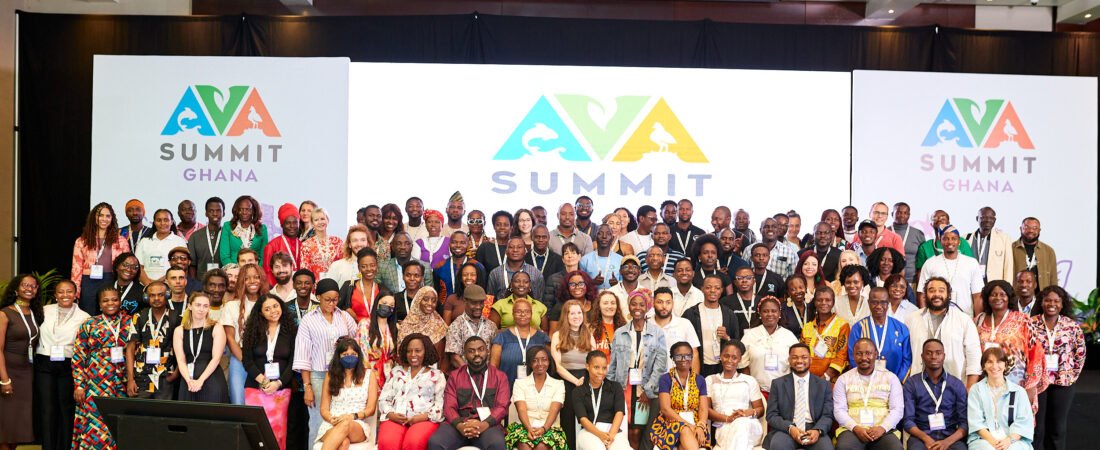
When AVA Summit arrived in Nairobi, Kenya, from July 17–20, 2025, it marked a significant moment for Africa’s growing animal advocacy movement. It was AVA International’s first summit on the African continent, bringing together 264 participants from 32 countries, including advocates, organisations and movement leaders from across Africa and beyond.
One year later, the conversation moved west.
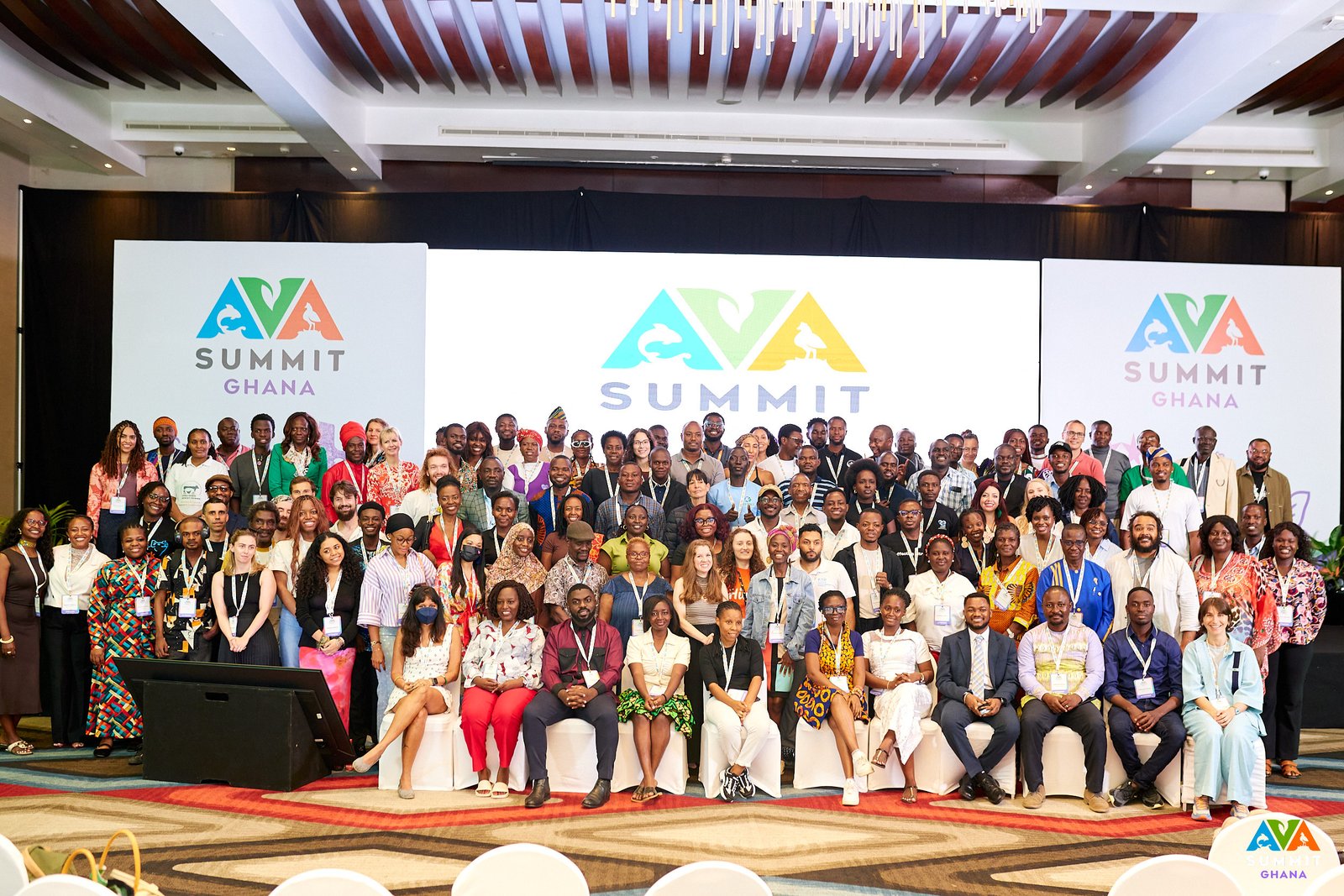
From July 16–19, 2026, Accra hosted the second AVA Summit in Africa, bringing the global animal advocacy community to Ghana. The summit was designed around regional leadership, collaboration, strategy and strengthening Africa’s capacity to create systemic change for animals.
Why does this matter?
The significance of these summits goes beyond bringing people together for a few days. Africa has diverse food cultures, agricultural systems, economic realities and relationships with animals. The challenges facing an advocate in Ghana may look very different from those facing someone in Kenya, Uganda, Nigeria or South Africa.
That is why African voices need to be at the centre of conversations about Africa’s future.
AVA’s Ghana programme reflected this approach, with more than 90% of its sessions delivered by African speakers, alongside a deliberate focus on young advocates, women, grassroots organisers and voices that have historically had less access to international platforms.
From conferences to movements
The real impact of AVA’s presence in Africa will not be measured by attendance numbers or photographs from conference halls. It will be measured by what happens afterwards.
Do advocates return home with stronger networks?
Do collaborations become campaigns?
Do ideas become businesses, research and policy?
Do young African advocates receive more opportunities to lead?
These are the outcomes that could determine whether the momentum created in Nairobi and Accra becomes something lasting. For Africa’s animal advocacy movement, the journey from Nairobi to Accra represents more than two conferences. It signals a growing recognition that Africa should not simply participate in the global conversation about animals and food systems.
Africa should help shape it. And now that the summit has left Accra, the most important part begins: What will Africa’s advocates do with the momentum?